Why Spring Rate Matters
The correct spring setup lets your UTV sit at the right height, use its suspension travel efficiently, and stay controlled when terrain and load change.
Spring rate describes how much force is required to compress a spring a given distance. It affects far more than ride firmness. It changes how the vehicle carries weight, responds to impacts, and maintains traction through rough terrain.
Ride Height
How high the vehicle sits at rest with passengers and gear loaded.
Sag
How much the suspension compresses under the vehicle's weight.
Bottom-Out Resistance
How well the suspension handles g-outs, jumps, and hard landings.
Comfort
How well the suspension absorbs small chop, trail chatter, and washboard.
Handling
How planted the vehicle feels during cornering, braking, and acceleration.
Weight Support
How effectively the setup carries people, cargo, and accessories.
A higher stage is not automatically better. The right stage is the one that matches how your UTV is actually configured and driven.
Understanding Stage 1–4
Eibach PRO-UTV kits use four stages to make a complex spring-rate decision easier to understand.
| Stage | Typical added weight | Best starting point |
|---|---|---|
| Stage 1 | 0–100 lbs | Lighter rates for recreational riding and lightly modified machines. |
| Stage 2 | 100–200 lbs | A balanced setup for basic modifications, trail riding, and open desert. |
| Stage 3 | 200–300 lbs | More support for heavily modified machines and aggressive desert use. |
| Stage 4 | 300+ lbs | Heavier combined rates for dunes, competition, and fully loaded machines. |
The Four Factors That Decide Your Rate
Answer these four questions using your typical ride—not the occasional edge case.
What Terrain Do You Drive?
Terrain changes how quickly and how deeply the suspension moves. Choose for the surface you ride most.
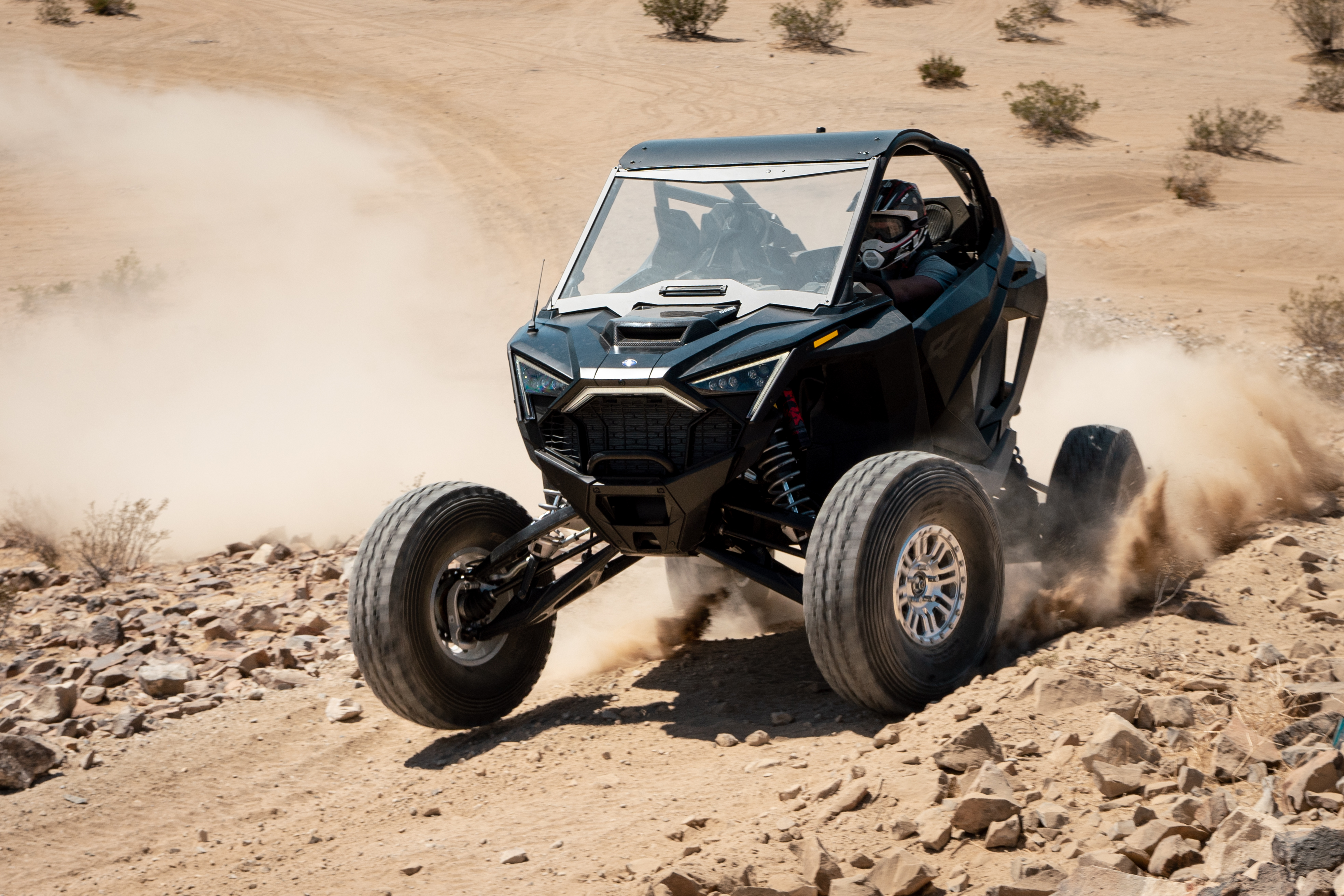
Desert & Dunes
Whoops, g-outs, dune faces, and high-speed transitions require enough support to keep the vehicle from riding too low in its travel.
Sand creates high rolling resistance, while aggressive dune and desert riding repeatedly loads the suspension through large, high-speed compressions. Heavier or aggressively driven machines will often fall into the Stage 3 or Stage 4 range.
- Maintains ride height through soft terrain
- Improves control through whoops and transitions
- Reduces bottoming on dune faces and g-outs
- Better supports passengers, paddle tires, and dune gear
Trails & Technical Rock

Compliance, articulation, and traction become more important at lower speeds. The suspension needs to follow rocks, roots, ruts, and uneven terrain without unsettling the chassis.
A spring that is unnecessarily stiff can reduce grip and cause the UTV to skip or deflect off obstacles instead of keeping the tires planted.
- Lean softer for comfort and articulation
- Add support as passengers and vehicle weight increase
- Preserve usable travel instead of chasing stiffness
- Balance spring support with low-speed traction
How Many Passengers?
Passenger weight directly changes ride height, sag, and available compression travel.
Tune for the passenger count you carry most often. A four-seat UTV that normally carries three or four adults needs a different setup than the same platform driven solo.
Ask yourself
- Do I ride alone, with one passenger, or with a full vehicle?
- Is the passenger load occasional or present on nearly every ride?
- Does the rear of the vehicle sit noticeably lower when loaded?
How Much Weight Have You Added?
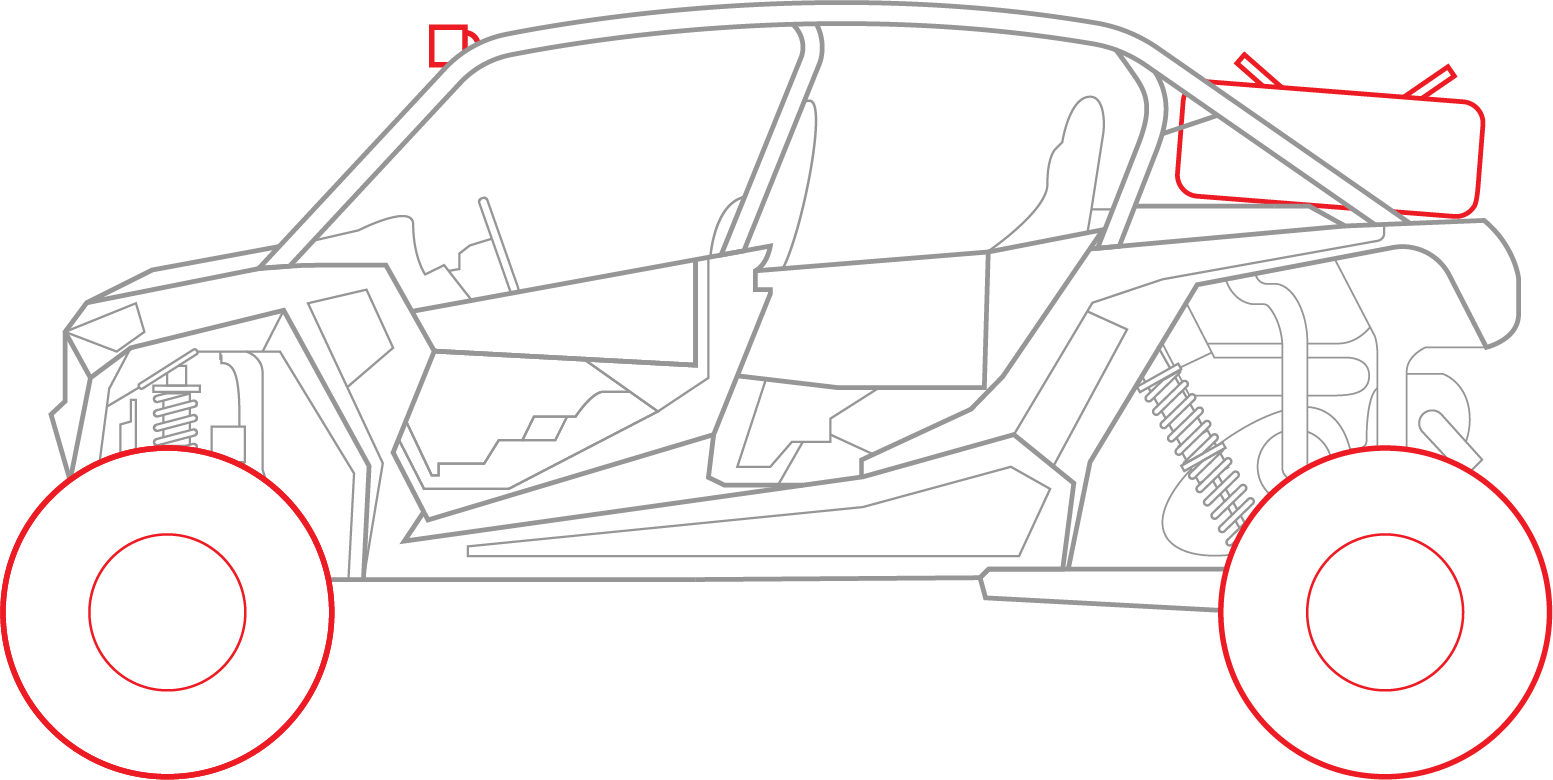
Accessories consume suspension travel before the vehicle even moves.
Front & chassis
Winch, bumper, skid plates, doors, cage, lighting, and audio systems.
Rear & cargo
Spare tire, carrier, tools, cooler, storage boxes, fuel, and recovery gear.
Add the realistic combined weight of permanent accessories and the gear you normally carry. Weight distribution matters too: 150 pounds behind the rear axle affects the vehicle differently than 150 pounds centered in the chassis.
How Hard Do You Drive?
Comfort and Compliance
Slower trail riding generally benefits from a softer setup that follows uneven terrain and absorbs small impacts without feeling busy or harsh.
Support and Control
Higher speeds, jumps, hard cornering, and repeated whoops create greater suspension loads and may require a higher stage.
Too Soft vs. Too Stiff
Too soft
The chassis uses travel too quickly.
- Excessive sag or low ride height
- Frequent bottoming on larger hits
- Wallows or pushes through corners
- Bucks after deep compression
Too stiff
The suspension struggles to follow terrain.
- Harshness over small chop
- Reduced traction on rocks and roots
- Skips or deflects across rough surfaces
- Feels tall, nervous, or reluctant to settle

Why Dual-Rate Springs?
A true dual-rate stack combines initial compliance with the support needed deeper in the travel.
The tender and main springs work together early in the stroke, then transition as the crossover engages. This lets Eibach tune ride quality and bottom-out resistance instead of forcing one spring to compromise between both jobs.
Which Stage Fits Your UTV?
Use your typical added weight and riding style to narrow the recommendation.
Comfort Focused
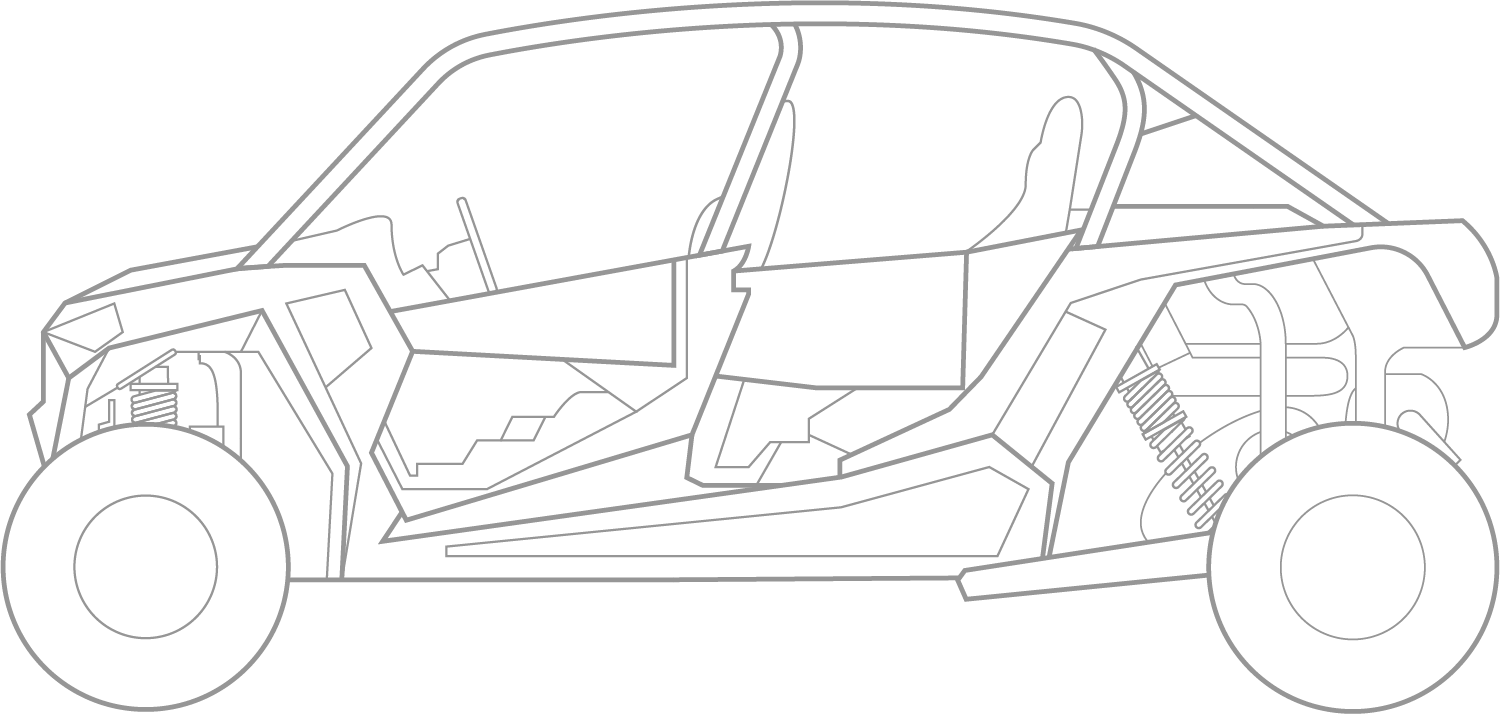
Lighter rates for recreational riding and lightly modified machines.
All-Around Control
A balanced setup for basic modifications, trail riding, and open desert.
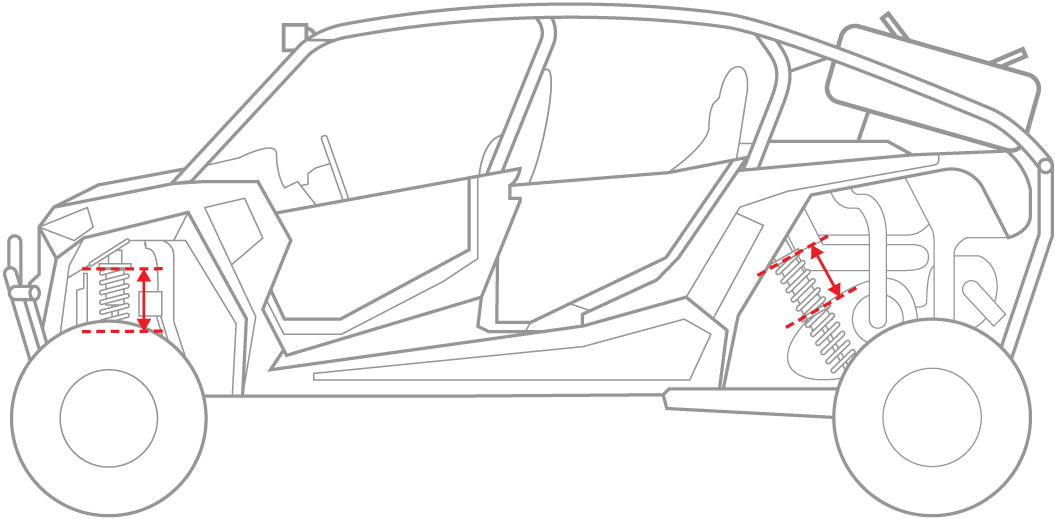
Heavier Builds
More support for heavily modified machines and aggressive desert use.
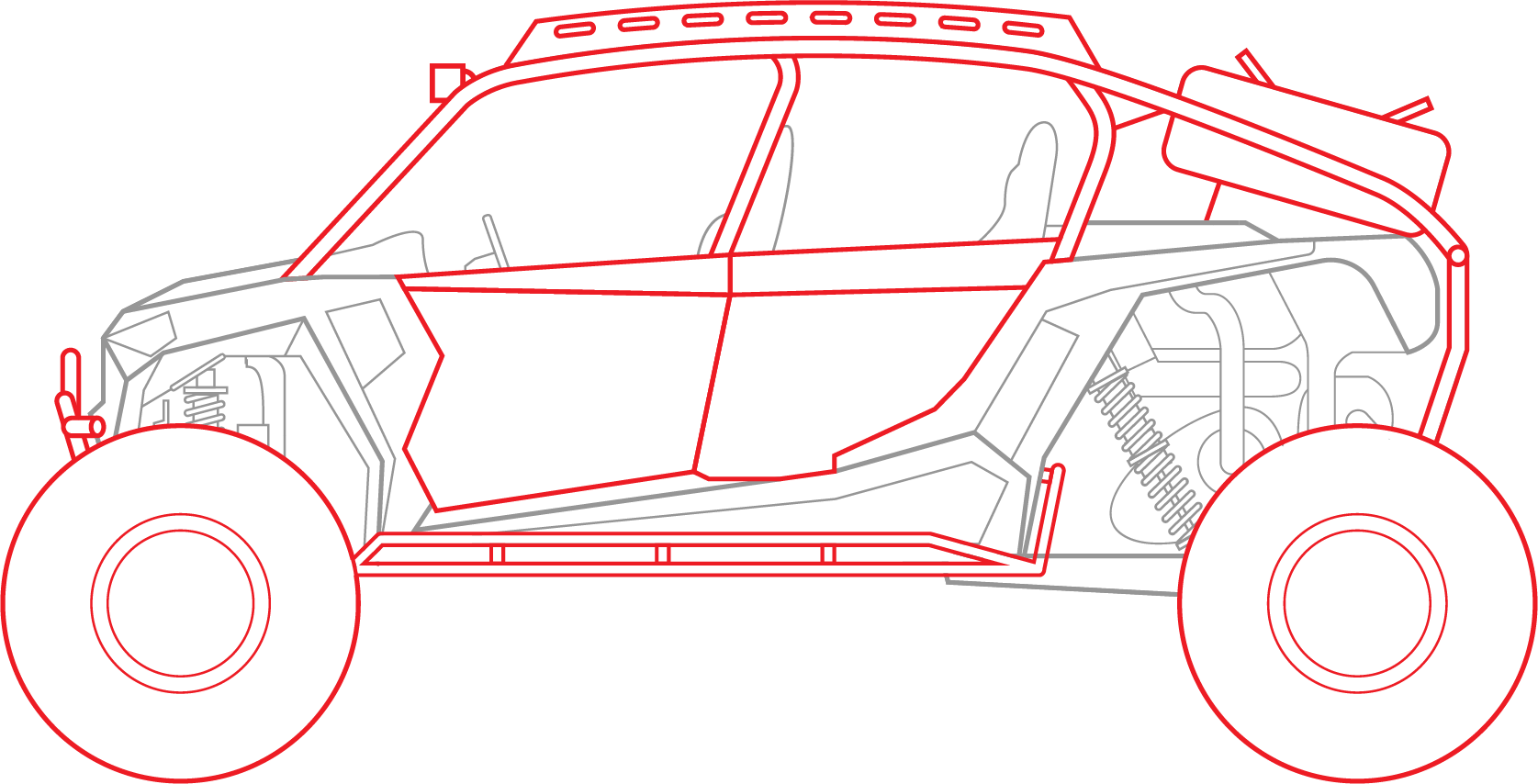
Maximum Support
Heavier combined rates for dunes, competition, and fully loaded machines.
Check the product page for your exact vehicle or contact Technical Support before ordering.
Get a recommendation →Spring Rate and Shock Tuning Work Together
Springs support the vehicle. Damping controls how quickly the suspension moves.
After installing the correct springs, verify preload and ride height before adjusting compression or rebound. Tire pressure, sway-bar setup, weight distribution, and shock condition all influence the result.
- Set ride height.
- Verify preload.
- Test on familiar terrain.
- Adjust damping.
Frequently Asked Questions
What is the best UTV spring rate?
The best rate depends on vehicle weight, passenger count, accessories, terrain, and driving style. A lightly loaded trail UTV usually needs a softer rate than a fully loaded four-seater used in dunes.
Are stiffer UTV springs better?
Not always. Stiffer springs can improve support and reduce bottoming, but they can also reduce comfort and traction when the vehicle is too light for the rate.
Do I need stiffer springs for sand dunes?
Many dune riders benefit from more support because dune riding combines speed, transitions, g-outs, and added load. Your total vehicle weight still determines the correct stage.
How does added weight affect spring rate?
Added weight increases sag and reduces available compression travel. Permanent accessories and normal cargo should be included when selecting a kit.
Is Stage 4 better than Stage 1?
No. The stage number describes a different intended load and use. The best stage keeps your specific vehicle at the proper ride height and in control.